CapsulCN International CO., LTD is the world leader of empty capsule manufacturer and capsule filling machine manufacturer. We have years of production history of capsules and related equipment, and have a number of capsule-related patented technologies.
The main excipients for capsules are diluents, lubricants, glidants, disintegrants, wetting agents, adhesives, etc. The correct excipients enable the capsule to achieve the desired pharmacokinetic properties and reduce manufacturing costs. It simplifies the manufacture of pharmaceutical products and ultimately promotes the physiological absorption of the drug.
(1) Diluents: Improve the physical properties of the contents and
increase the volume, and they often have a certain compressibility. Commonly
used diluents are mannitol, microcrystalline cellulose, lactose, pregelatinized
starch 1500, corn starch and the like.
(2) Lubricants: Prevent the adhesion of powder to metal materials.
Common materials include magnesium stearate, glyceryl monostearate, stearic
acid, talc, and the like.
(3) Glidants: Improve the fluidity of the contents. Commonly used
glidants are micro-silica gel and talcum powder.
(4) Disintegrants: Ensure the disintegration of the contents. Common
disintegrants include crosslinked cellulose, corn starch, crospovidone,
pregelatinized starch 1500, and the like.
(5) Wetting agents: Increase the wettability of the drug and the
dissolution medium to ensure the efficacy of the preparation. Polysorbate 80,
sodium lauryl sulfate, and the like are common.
(6) Adhesives: The adhesive binds the drug powder together at the
time of granulation, such as starch slurry, CMC-Na, HPC, and so on.
Powder packaging machine is suitable for quantitative packaging of powder materials in chemical, food, agricultural and sideline products. In the pharmaceutical industry, the powder packing machine is also a widely-used equipment, which can tightly package powder medicines, isolate the outside air, prevent moisture and pollution, and ensure the safety of medicines.
China’s powder packing machine was originally developed at the end of the 20th century and is a combination of advanced technology from domestic and foreign countries. In the past, the device produced mainly relied on foreign technology. It is mainly suitable for small bag packaging of powder products, such as pharmaceutical powder products. This equipment replaces the original manual packaging and has a great improvement in work efficiency.
But now, China’s powder automatic packaging machine has various types and functions, which basically meets the needs of domestic and foreign powder packaging. With the growth of economic strength and the development of automation technology, the automatic powder filling machine eliminates the cumbersome steps of the traditional packaging machine and continuously improves its automation. Each pharmaceutical company has also optimized new technologies based on the advanced experience of packaging machines at home and abroad, and independently developed new equipment to continuously meet the new demands of the market.
The packaging industry has gradually entered people’s lives, bringing a lot of convenience to people’s lives, and has greatly promoted the development of the market. The constant changes and innovations in powder fill & seal machines have brought many surprises to people. Its increasingly automated and intelligent packaging technology makes it become an important part in China’s packaging machinery industry. As an emerging industry, powder filling machines have been automated and have a good future at home and abroad. In the future, powder packaging machines will advance with the times and develop towards multi-functionality and intelligence.
Probiotics promote intestinal health by regulating host mucosal and systemic immune function or by regulating the balance of intestinal flora. When the number of probiotics in the intestine is sufficient, the body’s digestion, absorption, detoxification, and immune functions are all in a normal state. The intestines can fully absorb various nutrients to ensure the normal operation and repair of various organs, and provide strong immunity to the human body.
Probiotics and harmful bacteria have a placeholder struggle in the intestines. Whoever has more quantity will be in a dominant position. Therefore, taking probiotic supplements can increase the amount, so that it can take nutrients with harmful bacteria and inhibit the growth and reproduction of harmful bacteria.
Captivo Picture 1376
The main effects of probiotics are as follows:
1. Maintain normal intestinal function. Probiotic strains produce digestive enzymes in our gastrointestinal tract, helping us to better digest and absorb nutrients.
2. Help lactose intolerance to promote digestion. Probiotics can help lactose intolerants produce galactosidase-active bacteria, thereby solving the adverse reactions such as abdominal pain and flatulence caused by lactose intolerance.
3. Enhance human immunity. Active probiotics can colonize the gut and regulate the balance of various flora in the gut. Probiotics can also directly affect the immune system of the intestine and enhance the immune function of the intestine. It also works against stomach acid. The probiotics adhere to the surface of the epithelial cells of the intestine, and a protective membrane is constructed to prevent harmful bacteria from entering the intestines, protecting the gastrointestinal mucosa from damage, and blocking the toxins from entering the other organs of the body for destruction.
4. Prevent cancer and inhibit tumor growth. Metabolites such as polysaccharides, bacteriocins, and lactic acid that inhibit tumor growth can be obtained from probiotics, which activate the body’s immune system, reduce the pH in the intestine, and stimulate intestinal peristalsis by inhibiting the production of enzymes that convert carcinogens. It eliminates pathogenic toxins and carcinogens in the intestines, thereby reducing the possibility of carcinogenesis.
5. Alleviate allergic reactions. In general, the more probiotics in the human gut, the less likely you are to suffer from allergic diseases.
6. Lower serum cholesterol. Probiotics have the action of a bile salt hydrolase. It can reduce the absorption of cholesterol by the body’s hydrolyzed bile salts and cholesterol.
Precautions:
The human flora should be kept in balance, so the probiotics are not the more the better. Excessive intake and supplementation of probiotics not only can not have a positive effect on the human body, but also may cause the human organs to be overloaded, causing negative effects and disturbing the intestinal environment. In general, probiotics are mainly found in fermented foods such as yogurt, cheese, natto, soybean meal, fermented bean, and kimchi. Fresh fruits and vegetables also contain various prebiotics. It is now also made into a variety of dietary supplements (capsules, tablets, powders). People should focus on eating foods that contain probiotics, rather than relying too much on probiotic supplements.
Pharmaceutical packaging machinery plays a key role in the field of pharmaceutical packaging, and the requirements for packaging machinery are also very high. Pharmaceutical equipment is an important part of GMP hardware. Since the introduction of the GMP compulsory certification system in China, local pharmaceutical companies have accelerated the pace of technological transformation, and the substantial update of production equipment has brought about a favorable situation for the pharmaceutical industry. A large number of production line transformations have brought a huge market for pharmaceutical machinery companies. In recent years, China’s pharmaceutical packaging industry has grown rapidly in the market share of the world’s pharmaceutical packaging industry. It is speculated that according to the development speed of China’s pharmaceutical industry, the annual gross domestic product of pharmaceutical packaging materials will quickly exceed 20 billion yuan in the short term. At present, the pharmaceutical packaging industry can basically meet the needs of domestic pharmaceutical companies.
The future market prospects of the pharmaceutical packaging industry are
expected. In the future, the packaging industry will cooperate with the
trend of industrial automation, and in the development of technology,
it will be diversified in mechanical functions, structural design
standardization, modularization, intelligent control, and high-precision
structure. With the advent of the
industry 4.0 era, smart devices and intelligent robots are now appearing
in various industries, including packaging and pharmaceutical packaging
plants. The application of robotics in the pharmaceutical packaging
industry is growing at a rapid rate. According to a research report by
the American Packaging and Processing Technology Association, in the
next five years, the application rate of robots in the packaging
industry of the pharmaceutical industry will increase by 13%. The speed,
precision, reliability and flexibility of robots, as well as the
enormous benefits, efficiency and safety that are created, are well
received by the pharmaceutical industry. Robots will inevitably replace
some of the human jobs of pharmaceutical companies.
Due to the impact of the “poison capsule” incident, the market structure of China’s medicinal empty capsules has accelerated restructuring. However, from the overall point of view, most enterprises in the capsule industry still have the stage characteristics of individual dispersion, small production scale and inconsistent product standards. Therefore, the capsule industry presents a prominent contradiction between structural supply and demand, and the competition in the low-end products market is fierce; the industry differentiation is becoming more and more obvious, and the industrial concentration still needs to be improved.
China’s pharmaceutical capsule manufacturers are in a state of grouping, and the products of workshop-style enterprises are concentrated in the low-end market. These enterprises rely on low-cost competition strategies for production and sales; automation enterprises rely on their own scale advantages and brand advantages to compete in the high-end market. There are structural supply and demand contradictions in the industry as a whole: on the one hand, the supply of low-end pharmaceutical empty capsules is relatively abundant. Under the cost pressure brought by low-price competition, Enterprises reduce investment in quality management systems, causing hidden dangers to the safety and stability of pharmaceutical production and distribution systems; on the other hand, with the improvement of the public’s living standards, the residents’ health awareness is enhanced, the consumption concept changes, the consumption of health care products is improved, and the demand for medicinal empty capsules in the field of health care products is increasing year by year. Maintaining a 10% to 15% share of the demand for the empty capsule industry, the supply of high-quality medicinal empty capsules is obviously insufficient, and the price increases.
In fact, the Chinese pharmaceutical empty capsule industry is showing a differentiation trend. Enterprises with large production scale and strong marketing strength in the industry occupy the high-end market and have obtained most of the profits of the industry. According to statistics, the total installed capacity of 32 members of the China Pharmaceutical Packaging Association empty Capsule Professional Committee is about 320 production lines, with an annual production capacity of about 120 billion, accounting for about two-thirds of the total production capacity of the industry. Up to now, there are 130 capsule manufacturers approved in China, so at least 100 companies compete in the low-end products market, and the industry’s production capacity is partially over-supplied. Most of the company’s profits are further diluted.
According to the data of China Daily Chemicals Association Gelatin Branch, from January to November this year, China’s gelatin production is about 41,000 to 43,000 tons, mainly including bone gelatin and skin gelatin. Among them, the output of bone gelatin is about 20,000 tons, and the output of skin gelatin is about 21,000 to 22,000 tons. About 50% to 55% of bone gelatin is medicinal gelatin, and about 10% of skin gelatin is medicinal gelatin. On the whole, medicinal gelatin accounts for about 30% of the total gelatin production, so the output of medicinal gelatin is about 12,000 tons. Assuming that the structure of the medicinal empty capsule product is unchanged, each ton of gelatin can produce 10 million to 12 million medicinal empty capsules. From this, it can be inferred that the annual output of Chinese medicinal empty capsules is about 120 billion to 144 billion. At the same time, the data of the China Pharmaceutical Packaging Association empty Capsule Professional Committee shows that the total output of the top four companies in terms of production scale and sales amount is about 50% of the industry’s output, while the sum of the output of the world’s top five capsule manufacturers accounts for more than 70% of the industry’s output. Therefore, China’s high-quality medicinal empty capsule industry still has a large integration space.
In the future, with the transformation and upgrading of the pharmaceutical industry and structural adjustment, the national drug regulatory authorities will further improve the pharmaceutical excipient management system, and the standardized, specialized and large-scale pharmaceutical empty capsule enterprises will occupy the dominant position. In addition, due to the dietary preferences from consumers and the special needs of modern pharmaceutical research and development, the development of new medicinal empty capsules such as plant capsules and other non-animal capsules will continue to accelerate.
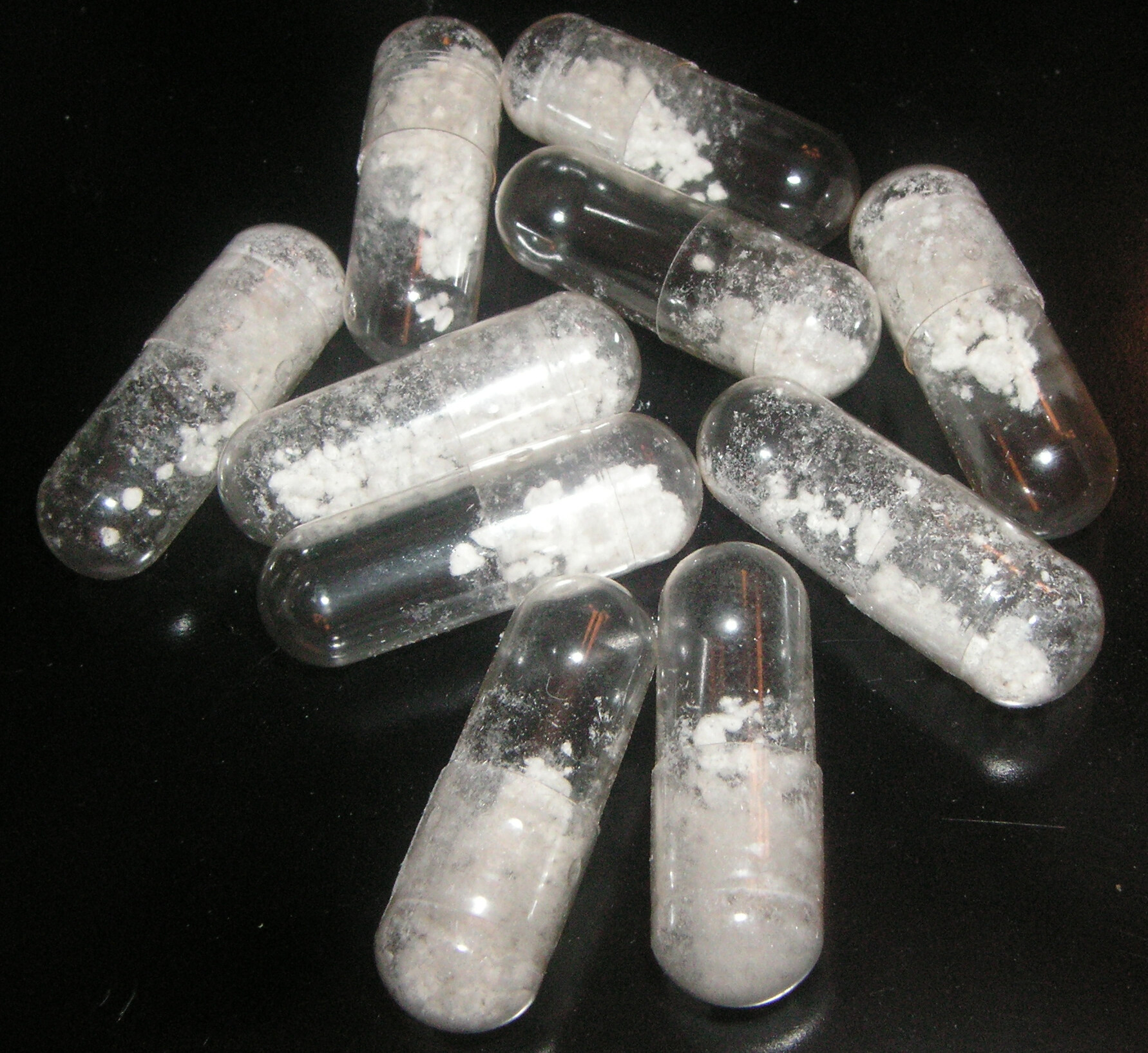
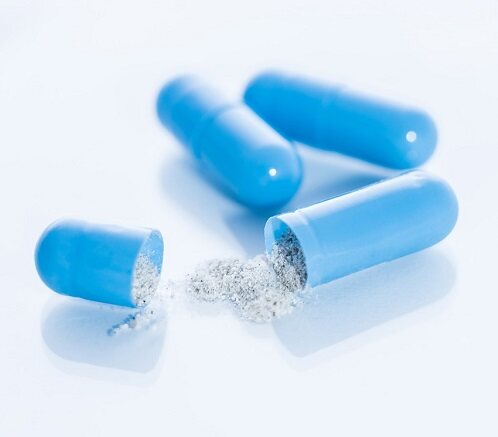
Pure hand-filled capsules are time-consuming and labor-intensive, so most people now use manual capsule fillers to make capsule products. For customers with large filling requirements (medical, nutrition industry), an automatic or semi-automatic capsule filling machine will be purchased to fill the capsules. However, these machines do not fully ensure that each capsule produced is intact.
The difference in loading is overrun.
Excessive difference in capsule loading is one of the problems that are prone to occur. Studies have shown that the size of the empty capsules, the characteristics of the materials, the differences in manual operations, the rotational speed of the automatic capsule filling machine, etc. all affect the stability of the load. (Specifically refer to factors affecting the difference in capsule loading) To solve this problem, it is necessary to analyze according to the actual situation. For example, the fluidity of the powder can be improved by adding suitable excipients or made into granules to make the filling accurate; the speed of the capsule machine is increased, and the filling is performed at the same time. The equipment should be repaired and maintained in time to ensure normal operation.
Pic from: maxpixel.net
Moisture absorption
Moisture absorption is a relatively common problem encountered in the preparation of capsule products. The contents tend to become soft, agglomerate, and even mildew after moisture absorption; the capsule shells become soft and deformed after moisture absorption, thereby affecting the quality and efficacy of the drug. The solution includes the following three methods: First, strictly control the ambient temperature and humidity in the production process of empty capsule storage, material processing, material filling, etc. Second, improve the preparation process (such as granulation, moisture-proof coating, etc.). Third, adapt bottle, double aluminum foil packaging or aluminum plastic packaging.
Capsule drugs are used frequently in life. However, in actual production, the problem of softening of the capsule is often encountered, which is usually happened in spring and summer. The main reason is that the gel cap is not properly stored, which is affected by the temperature or adsorbs moisture in the air.
After the capsule is softened, it is not only easy to break down by bacteria, but also causes deformation or adhesion, which makes it difficult to fill the empty capsules and take the finished capsules. If you find that the gelatin capsules you bought are stuck together, you can do so by the following methods.
First, find out the cause of the capsule adhesion. If the capsule softens due to moisture, it can be solved by the principle that the desiccant adsorbs moisture. The desiccant is placed in a dry glass dryer and the capsules to be treated are placed. Then, tighten the dryer cover. The drying time can be determined according to the degree of softening of the capsule. Pay attention to the drying time when using this method. Excessive drying can easily cause the capsule to become brittle or damage the rupture.
If the storage environment temperature is too high due to overheating, it can be solved by cooling. The softened empty capsules/ finished caps are sealed in the refrigerator for a while and then gently shaken. Most of the capsules can be dispersed during the shaking process. In addition, placing a small amount of edible powder such as corn starch, flour in a pill box for storing capsules also helps to eliminate the problem of capsule adhesion. Powder coatings help to reduce the stickiness of the capsule.
Of course, in order to properly store the capsule and ensure its medicinal properties, it is important to understand the capsule storage.
Air (oxygen) Oxygen in the atmosphere can cause oxidation of the drug contained in the capsule. On the one hand, during the filling and fitting process, a small amount of oxygen in the atmosphere will remain in the interior of the capsule along with the air, so that some of the medicine is oxidized. On the other hand, during the storage of the capsule, since the part is not completely sealed, the air will enter and exit the capsule as the temperature changes, so that the internal oxygen is continuously increased, making the medicine further oxidized. Therefore, when filling the easily oxidizable drug, the air should be removed as much as possible, and the capsule should be sealed storage after the filling is completed to improve the stability of the drug.
Humidity and moisture After the solid drug absorbs moisture, a liquid film is formed on the surface. Some drugs accelerate hydrolysis and oxidation under the influence of trace amounts of water. Excessive moisture can also cause the capsule to deform. Therefore, when filling and storing highly absorbent and unstable drugs, care should be taken to avoid contact with moisture. For example, the capsule drug cannot be stored in a damp place in the bathroom or kitchen.
Packaging materials The choice of packaging material has an impact on the stability of the finished capsule after filling. If the capsule is stored directly in a room temperature environment, it will be affected by heat, light, moisture, air, and the like. Therefore, a properly sealed package design can greatly reduce drug instability and ensure the quality of volatile drugs.
An oral controlled-release(OCR) drug refers to an oral formulation which can continuously release a drug for a long period of time after taking, wherein the main drug is slowly released and absorbed at an appropriate rate. The OCR drug needs to be taken less frequently, which is beneficial for reducing the side effects caused by exceeding the therapeutic blood concentration range, and it can be preserved in an effective concentration range for a long time to maintain the therapeutic effect.
Not all drugs are suitable for controlled-release dosage form. In the development of this form, the clinical needs, the physical and chemical properties of the drug, the influence of the physiological state of the gastrointestinal tract on the absorption of the drug, and the pharmacodynamics of the drug should be systematically considered. Regarding the physical and chemical factors of drugs, the following four points need to be noticed by developers.
Dosage size. A single dose of 0.5 to 1.0 g is generally the maximum dose of a conventional oral dosage form, which is also applicable to OCR drugs. With the development of formulation technology, many of the currently marketed tablets have exceeded this limit. However, as an oral dosage form, the dose size cannot be increased indefinitely. For large doses of the drug, multiple tablets can be taken at a time to achieve an effective dose. In addition, for drugs with a low therapeutic index, it must be considered that taking too much dose may cause safety problems.
PKa, degree of dissociation and water solubility. Most drugs that are absorbed by passive transport in the body are weak bases or weak acids. In general, non-dissociated, fat-soluble drugs readily pass through lipid biofilms. The pH of the gastrointestinal tract and the pKa of the drug directly affect the degree of dissociation of the drug in the gastrointestinal tract. Since OCR drugs generally require release of the drug in an environment where the pH of the gastrointestinal tract changes, it is important to understand the relationship between pK and the absorption environment, and the effect of pH on the drug release process must be studied. The rate of absorption of a drug with a low solubility (<0.01 mg/ml) in the gastrointestinal tract is limited by the rate of dissolution, and thus it has an intrinsic sustained release effect. The literature reports that the lower limit of the drug solubility requirement for the controlled-release form is 0.1 mg/ml.
Distribution coefficient. Drugs must be absorbed through various biofilms before they produce therapeutic effects in the body. The gastrointestinal epithelial cell membrane is a lipid membrane, and the partition coefficient of the drug determines whether it can effectively penetrate the biofilm. Drugs with a high partition coefficient are highly soluble in fat. These drugs can be concentrated in the lipid membrane of cells and usually stay in the body for a long time. It is difficult to pass a drug through a membrane with a small partition coefficient, and the bioavailability is generally poor. Maintaining an appropriate oil-water partition coefficient gives the desired amount of biofilm permeation.
Stability. Oral drugs are subjected to both acid-base hydrolysis and enzymatic degradation in the gastrointestinal tract. For solid drugs, the degradation rate is slowed down. Therefore, for a drug having a stability problem, the preparation may be in a solid state or other administration routes may be selected.
A tablet refers to an oral dosage form prepared
by mixing a medicinal material extract or a medicinal material extract with a
medicinal material fine powder and a suitable auxiliary material. These include
ordinary tablets which are not coated, sugar-coated tablets which are coated
with sugar, and film-coated tablets which are prepared by coating a polymer
material as a coating material.
Ordinary tablets do not introduce unnecessary ingredients due to the coating, so people do not have to worry about eating unnecessary ingredients when swallowing such tablets. Sugar-coated tablets can increase the stability of the tablet or mask the odor of the drug. The film-coated tablets are smaller in size than the sugar-coated tablets and are easier to swallow.
Advantages of the tablet:
1. In general, the dissolution rate and
bioavailability of tablets are better than pills.
2. Accurate dose: The difference in drug
content in the tablet is small; the tablet can be pressed into a concave
pattern, which can be divided into two halves or four points, so that it is
convenient to take a smaller dose without losing its authenticity.
3. Stable quality: After the tablet is made by
high-speed tableting machine, it will not be damaged or deformed during storage
and transportation, so the main drug content can be kept unchanged. The tablet
is solid in operation, and the volume is small after being made. The light,
air, moisture, dust, etc. are less than other dosage forms. Tablets are dry
solids, and some oxidative and deliquescent drugs can be protected by coatings,
such as light, air, moisture and the like.
4. It is convenient to carry, transport and
take.
5. Mechanized production with large output and
low cost.
6. There are many types, which can meet
different clinical medical needs and are widely used.
But tablets also have a number of disadvantages:
1. The dissolution rate of the drug in the
tablet is slower than that of the powder and the capsule, and the
bioavailability is slightly worse.
2. Children and comatose patients are not easy
to swallow.
3. The content of tablets containing volatile
components decreases when stored for a long time.
4. The preparation process is more than other solid preparations, and the technical difficulty is higher.





 CapsulCN